
Course overview
Managing equipment in cyclic service is one of the most misunderstood challenges in in mechanical integrity programs. Most facilities:
- Have few assets where fatigue is a real concern compared to assets with typical corrosion type damage
- Have limited experience with fatigue-driven damage
- Rely on inspection strategies that don’t align with fatigue behaviour
- Struggle when equipment approaches (or exceeds) the original design fatigue life.
- Have jurisdictional pressure to determine remaining life strategies for cyclic assets.
With this typical combination, the default answer when an asset is at end of fatigue life is to consider replacement. This is most often not the best answer as there is likely significant life remaining in the asset.
This course presents a structured, engineering-based approach to:
- Understanding fatigue behaviour
- High level review of fatigue screening, detail analysis, and inspection planning steps
- And making defensible run/repair/replace decisions
This course is meant to be relatively high level and won’t make you a fatigue expert per se, but it will give you the vocabulary and basic knowledge to make more informed decisions in the area of equipment in cyclic service.
Who this course is for
- Plant engineers and integrity professionals
- API Inspectors (510, 570, 653)
- Reliability and Maintenance Professionals
- Anyone wanting to better understand fatigue and cyclic service considerations
What you will learn
- Fatigue fundamentals (high level and practical)
- What fatigue is (initiation vs growth)
- Welded versus non-welded fatigue evaluations
- Design fatigue life basics
- Definition of fatigue life in ASME Codes and conservatism considerations
- Why “end of life” does not mean failure
- Fatigue screening and assessment methods
- Screening approaches (what is a cycle?)
- Smooth bar versus structural stress methods (versus crack growth)
- Inspection considerations
- Life extension strategies
- Practical decision framework
Course delivery
This course is best delivered in-person to allow the participants to ask engaging questions and bring up real world examples of their own; however, virtual and custom delivery options are also possible. The entire course is typically 1.5 hours.
This session may be a standalone technical briefing or delivered as part of a broader FFS training program
Instructors

Ryan Jones, P.Eng., MBA is a Principal Engineer and founder of Canatus Engineering Group. A proven leader with over 28 yearsof experience in the Oil/Gas/Chemical industry in the areas of risk management,equipment lifecycle, analytical assessments, failure analysis, and assetintegrity management. Ryan also brings awealth of experience leading high performing teams in a technical environmentto deliver both technical expertise and insight through various services andproducts. Combining that with Ryan’spassion for process planning, strategy, operations, and business development,he looks forward to helping clients solve a broad range of problems.
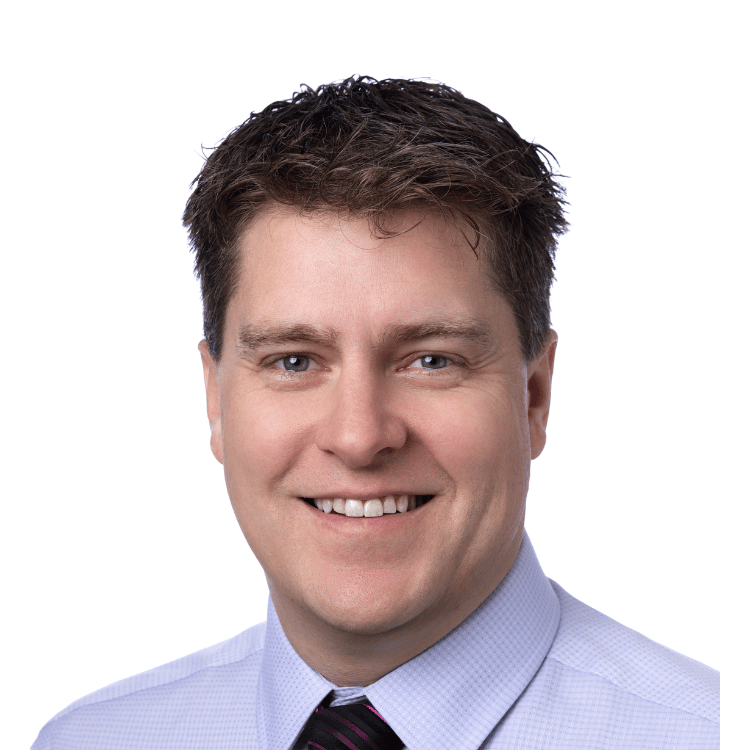
Derek Rinas, a Principal Engineer at Canatus Engineering Group, brings over two decades of invaluable expertise across diverse sectors including Oil and Gas, Chemical Processing, Pulp and Paper, and Power industries. With a rich background as both a consultant and maintenance engineer, Derek is renowned for his adeptness in delivering pragmatic solutions to clients' challenges. His proficiency spans fitness-for-service and finite element analysis, crafting innovative repair strategies, and offering indispensable turnaround support. Derek's commitment to excellence and his knack for translating complex technical insights into actionable plans make him an indispensable asset in the realm of engineering consultancy.