
Optimize Equipment Startup, Shutdown, and Operating Limits
Problem
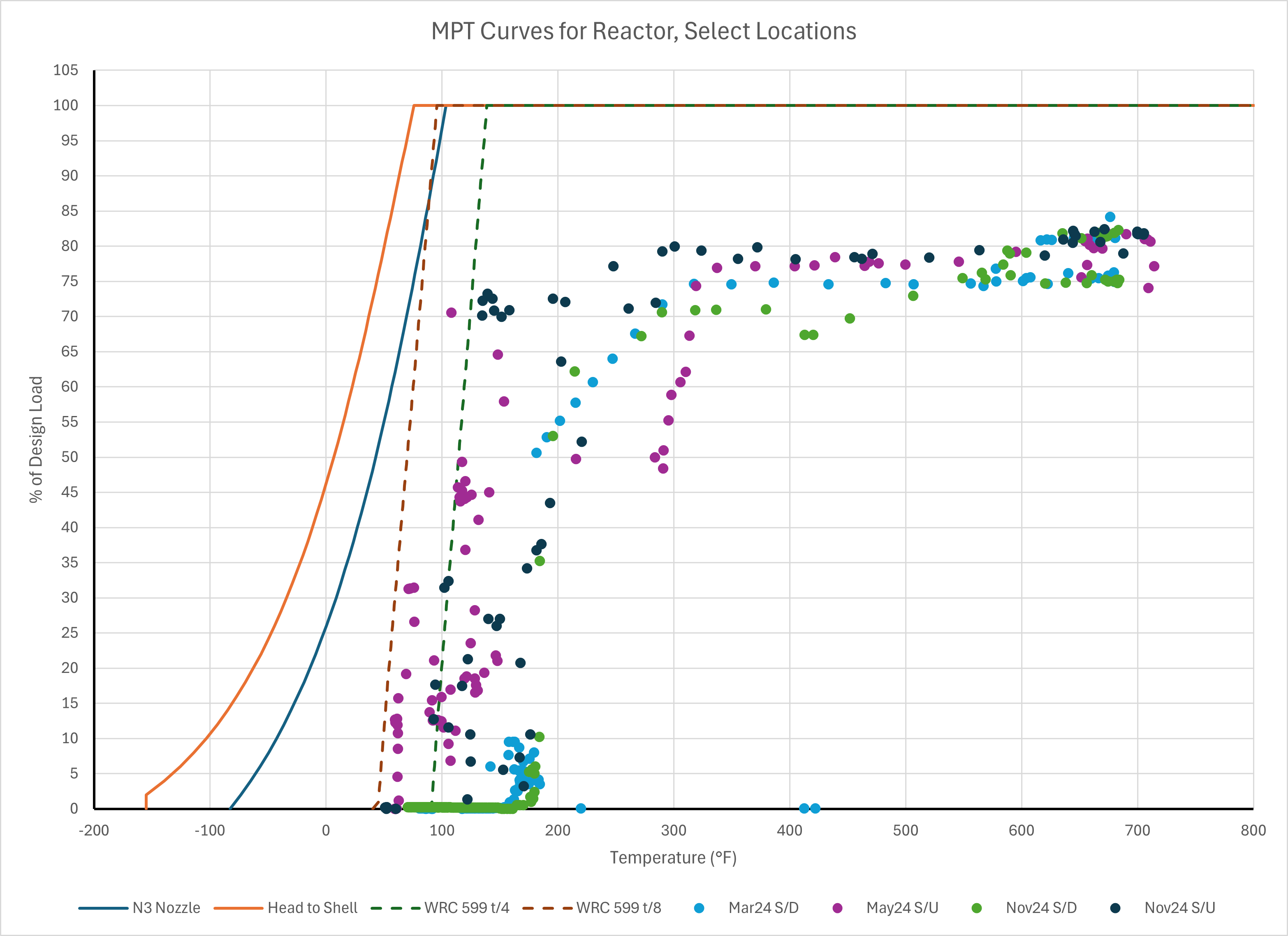
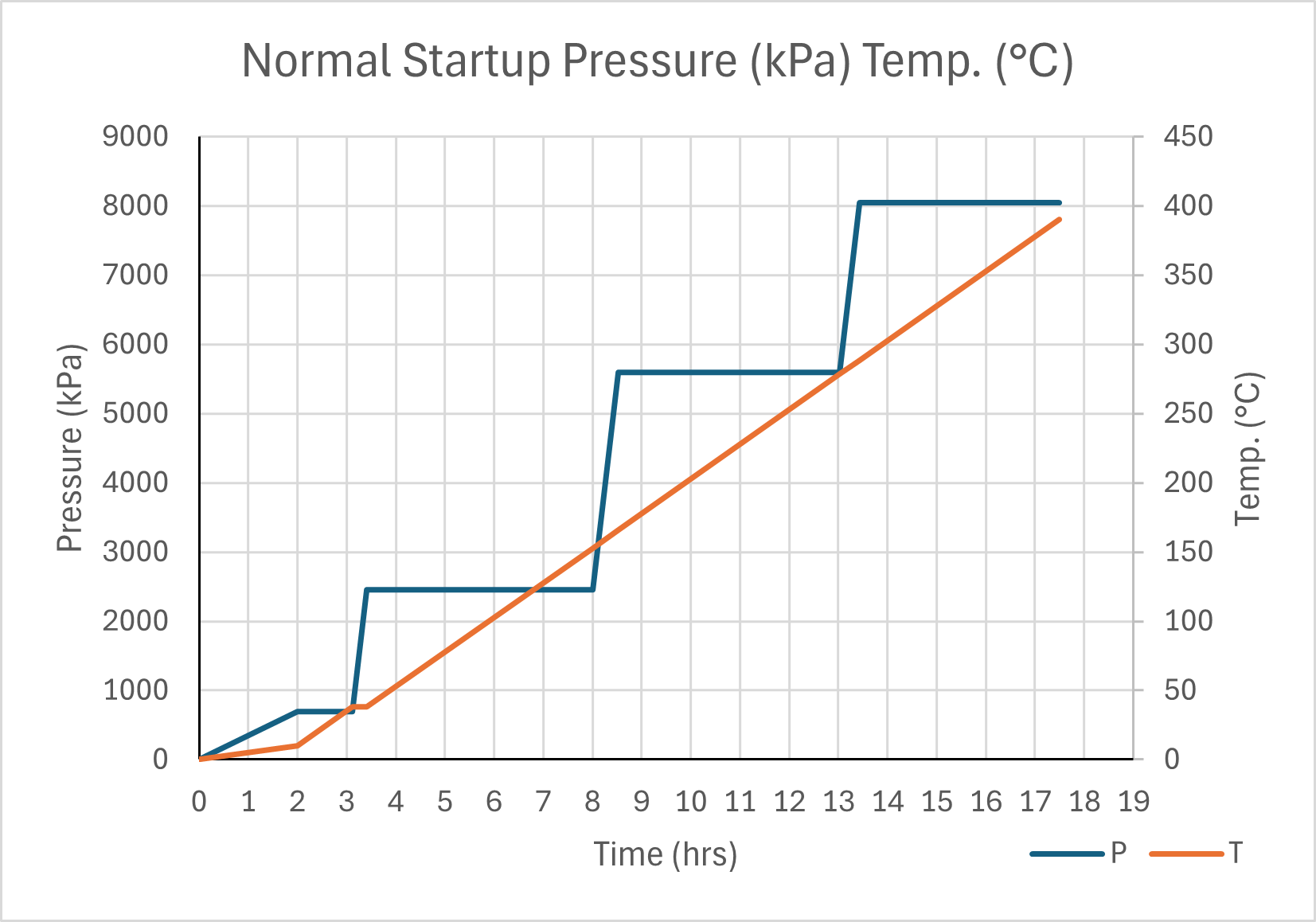
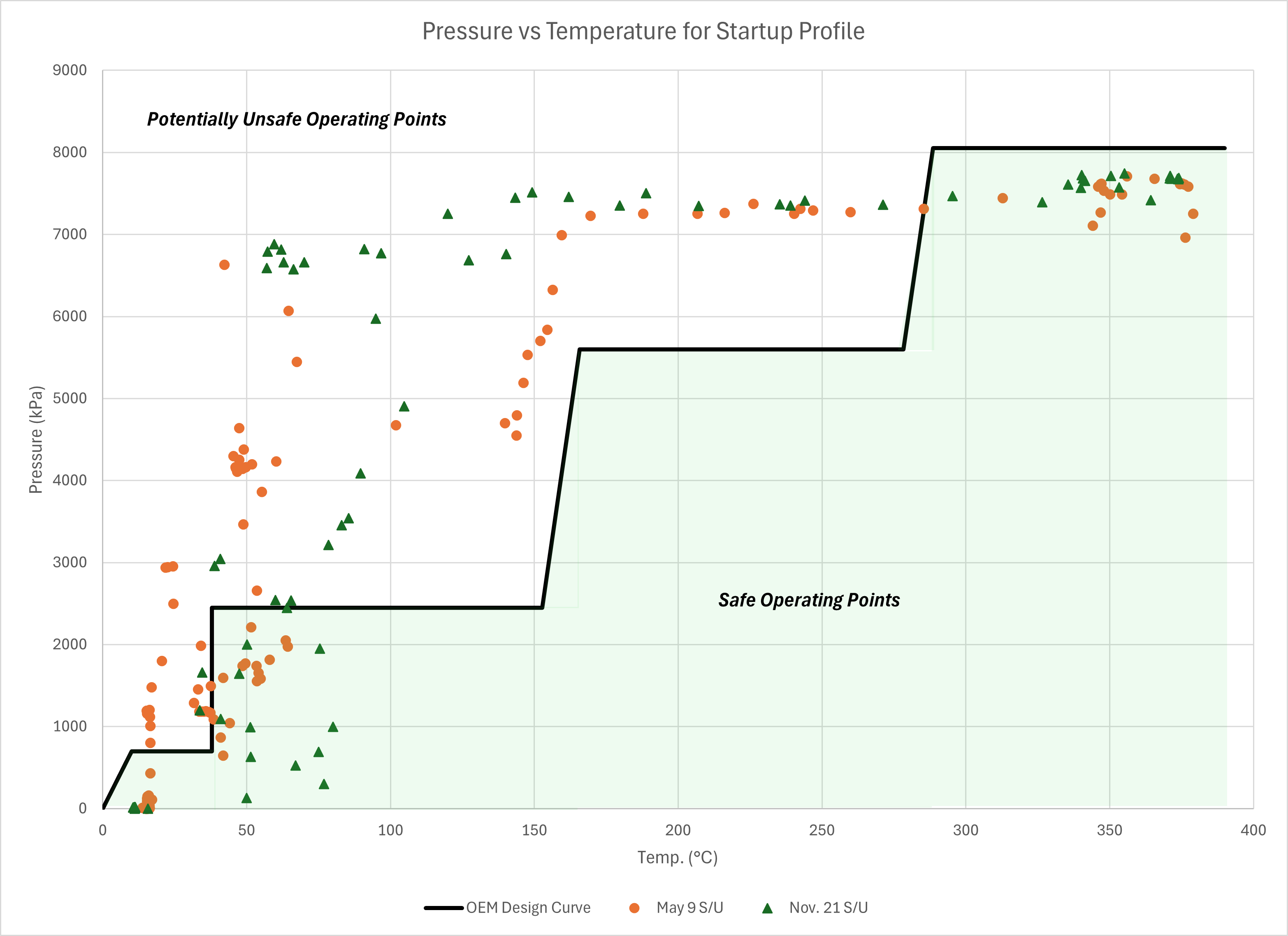
An owner-operator identified that actual startup and shutdown practices for a high-pressure hydrogen reactor were operating outside the original OEM minimum pressurization temperature (MPT) limits. The true risk of brittle fracture and hydrogen-assisted cracking under these conditions was unclear, particularly given modern understanding of fracture mechanics, material toughness, and hydrogen effects.
Solution
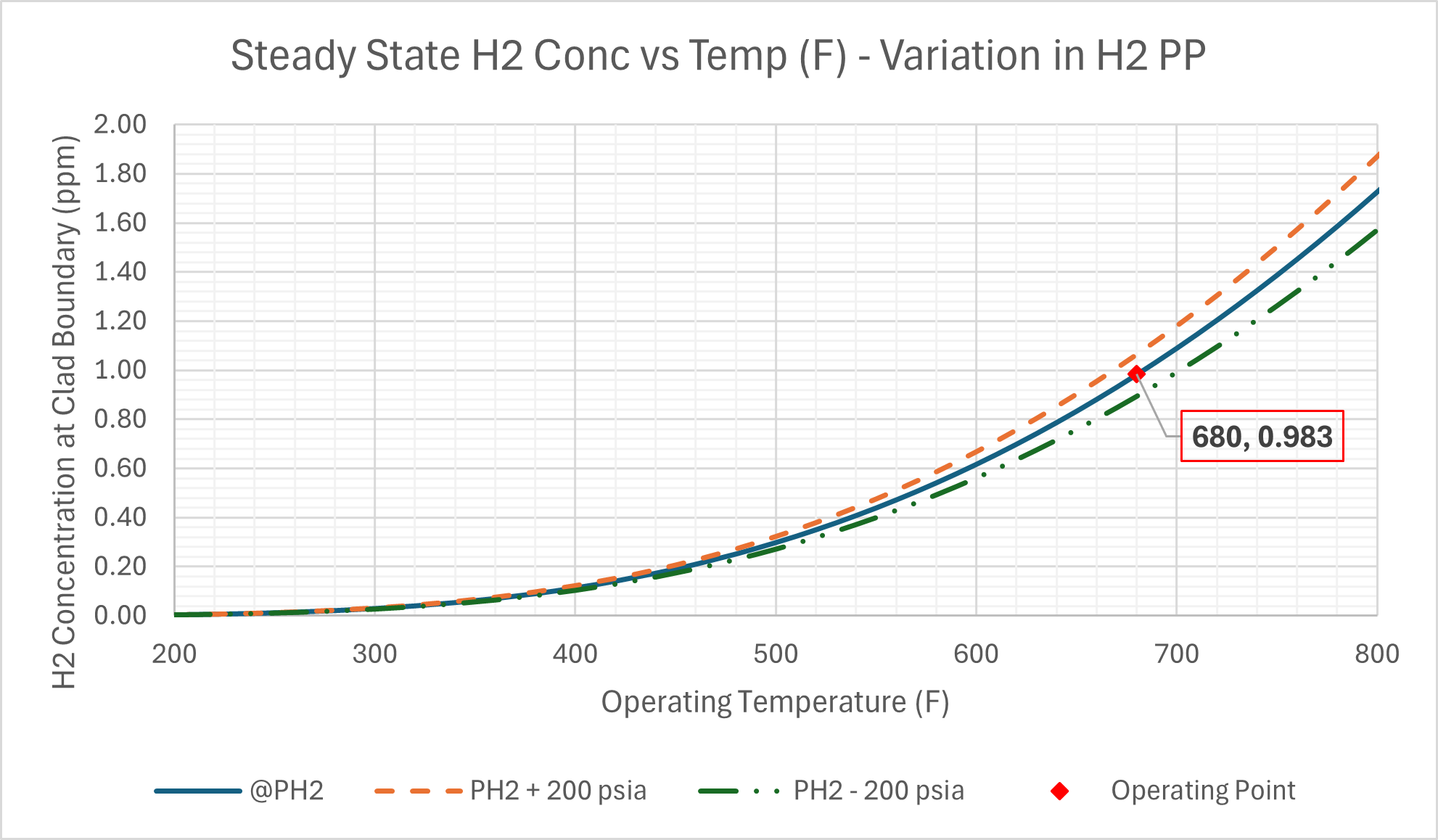
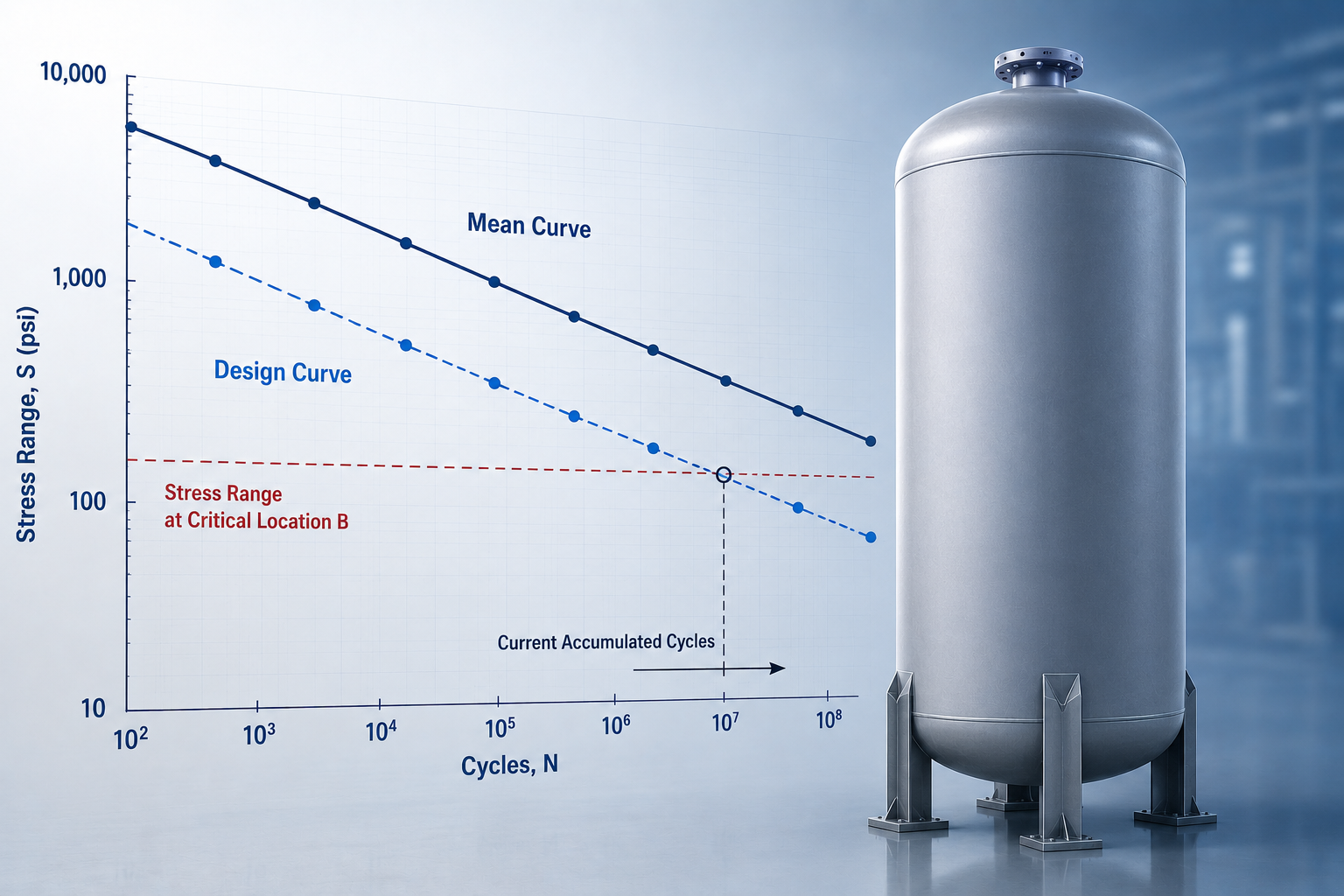
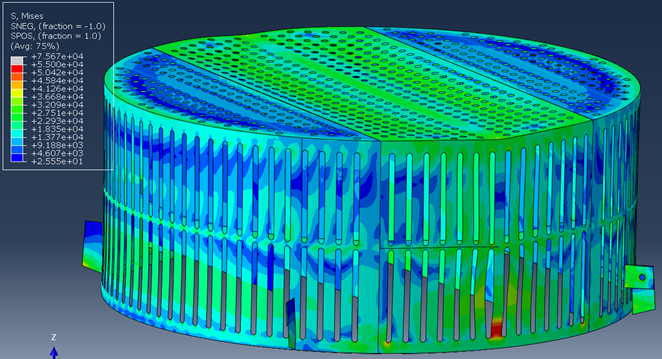
A detailed MPT assessment was performed using modern API 579 and WRC methodologies, incorporating fracture mechanics, material toughness characterization (CVN and chemistry-based methods), residual stress considerations, and hydrogen diffusion modelling. Operating data was benchmarked against newly developed MPT curves, including sensitivity to hydrogen concentration and thermal/pressure transients. Simplified screening methods (WRC 599) were used to quickly bound behavior, with recommendations for more rigorous analysis where required.
Value
Provided a defensible technical basis to evaluate and potentially expand the safe operating envelope beyond legacy OEM limits. Reduced uncertainty around brittle fracture risk during transient operations. Enabled development of updated startup/shutdown procedures aligned with current codes and practices, improving both safety and operational flexibility while avoiding unnecessary conservatism.

Ready to talk about your asset integrity challenges?
Whether you are seeking emergency support or strategic solutions to chronic problems, we are prepared to help.

An engineering colleague you can rely on to solve your biggest challenges. A dedicated partner committed to educating and empowering your team for long-term success.